India Packing List: What to Wear and What to Pack for Every Season
A practical India packing list: what to wear in India as a woman or a man, what to pack for winter, summer and the monsoon, the plugs, documents and medicines you need, and what to leave at home.
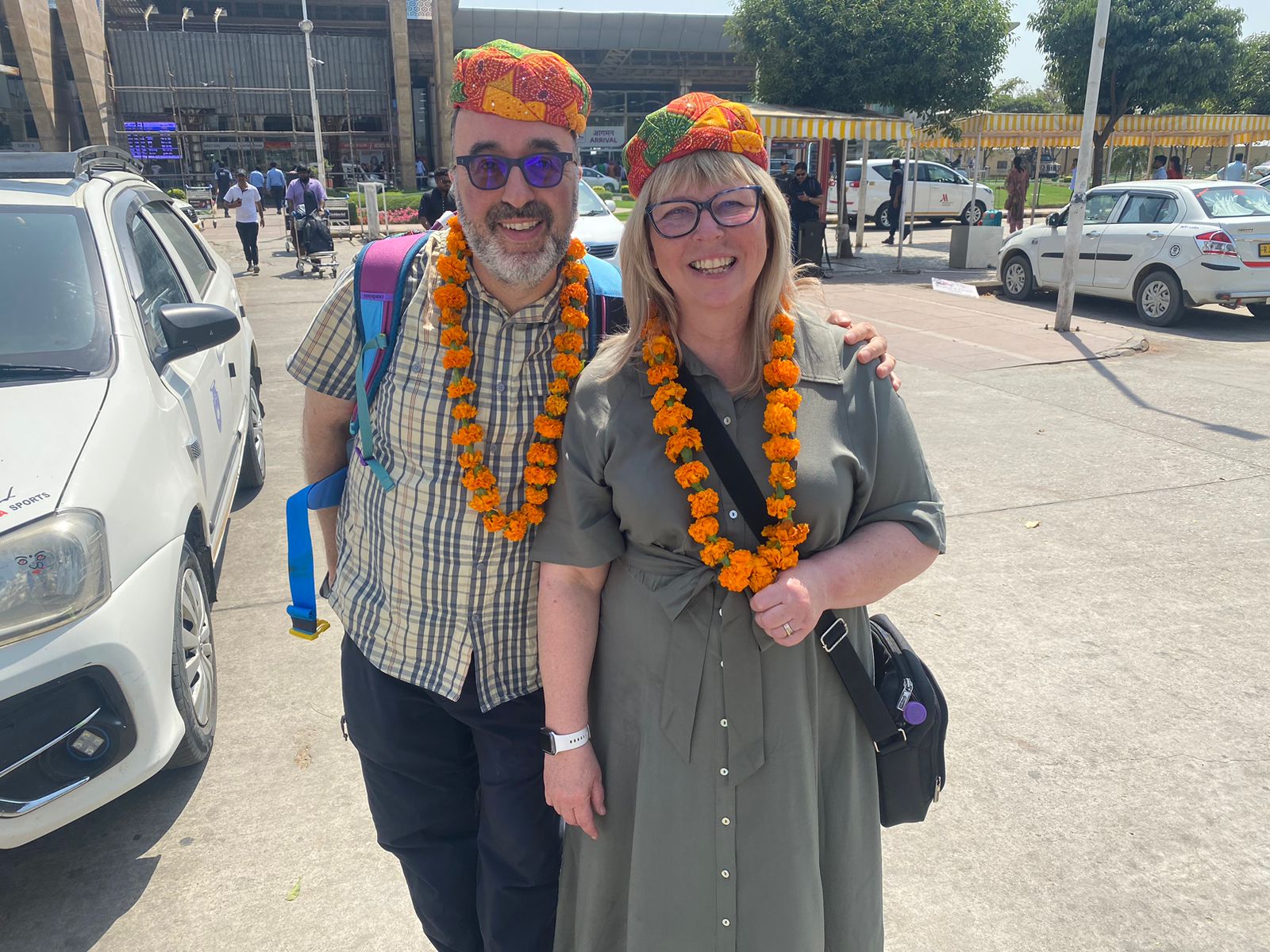
Packing for India is easier than most people think. You do not need special clothes, and almost anything you forget can be bought cheaply when you arrive. But a few right choices, above all about clothing, make your trip far more comfortable and help you feel at ease at temples, mosques and in villages.
Here is our packing list, based on what our guests tell us they were glad to bring, and what they wished they had left at home.
What to wear in India
India is a conservative country in matters of dress, especially outside the big cities and at religious sites. The simple rule is: cover your shoulders and knees, and choose loose, light clothing. It keeps you cool, protects you from the sun, and is respectful.
For women
- Loose trousers, long skirts or maxi dresses in cotton or linen.
- Tops that cover the shoulders, with short or long sleeves. Avoid low necklines and anything tight or see-through.
- A large scarf or shawl. The most useful thing you will pack: to cover your head in a gurudwara or mosque, your shoulders at a temple, or for warmth on a cool evening.
- Many women buy a few kurtas (long tunics) in Jaipur or Delhi in their first days. They are comfortable, inexpensive and lovely.
For men
- Long, light trousers or chinos. Shorts are fine at the hotel or on the beach, but not at temples, mosques or in villages.
- Short- or long-sleeved shirts in breathable fabric.
- A sun hat.
Shoes
- Comfortable walking shoes for forts, which mean lots of steps and uneven stone.
- Slip-on shoes or sandals, because you will remove your shoes many times a day at temples.
- A pair of socks to wear at sites where shoes are not allowed. Marble floors can be very hot in the midday sun, or cold first thing in the morning.
What to pack for each season
| Season | Months | What to bring |
|---|---|---|
| Winter (north India) | December to February | Warm layers: a fleece or sweater, a light down jacket, a scarf and a hat for early mornings and evenings. Desert nights can be close to freezing |
| Spring and autumn | October, November, March | Light clothes for the day, one warm layer for evenings |
| Summer | April to June | The lightest cotton and linen, a wide-brimmed hat, high-factor sunscreen |
| Monsoon | July to September | Quick-drying clothes, a light rain jacket, a compact umbrella, sandals that can get wet |
| Kerala and Goa | All year | Light, breathable clothes; it is warm and humid in every season |
Not sure when to go? Read our guide to the best time to visit.
Documents and money
- Passport, valid for at least six months after you arrive, with two blank pages.
- Your e-Visa, printed, plus a digital copy. Most nationalities can apply online before travelling; use only the official government website.
- Travel insurance details, printed and saved on your phone.
- Copies of your passport and visa, stored separately from the originals.
- Two bank cards, kept apart, and a little cash for tips and small shops. Cards are widely accepted in hotels and larger shops, and ATMs are common in cities.
Health and toiletries
- Your regular medicines, in their original packaging, with a copy of the prescription.
- A small first-aid kit: plasters, painkillers, antiseptic cream, and remedies for an upset stomach and oral rehydration salts. Ask your doctor or travel clinic what they recommend.
- Hand sanitiser and wet wipes.
- Tissues or a small roll of toilet paper, as public toilets do not always have any.
- Insect repellent, especially from dusk and in the monsoon.
- Sunscreen and sunglasses.
- A reusable water bottle. Drink only bottled or filtered water; many hotels refill bottles.
Electronics
- A plug adapter. India uses round-pin sockets, mainly types C, D and M, at 230 volts. A universal adapter covers them all.
- A power bank for long days of sightseeing and photography.
- A phone with an eSIM or an unlocked SIM slot. Local SIM cards are cheap but need your passport to register, so an eSIM bought before you travel is often easier.
Useful extras
- A small day pack for water, a scarf and a camera.
- A soft-sided suitcase or duffel, which is easier to fit into cars and carry up hotel stairs in old havelis.
- A light torch or headlamp for desert camps and power cuts.
- Earplugs and an eye mask for overnight trains and lively cities.
What to leave at home
- Drones. Flying one in India requires government permission, and they are not allowed at monuments. Leave yours at home.
- Satellite phones, which are illegal in India without a licence.
- Too many clothes. Hotel laundry is quick and inexpensive, so pack for a week and wash as you go.
- Expensive jewellery you would hate to lose.
At the Taj Mahal and many other monuments, food, tripods and large bags are not allowed inside, so carry only a small bag on sightseeing days. Read our Agra guide for more.
Leave room in your bag
India is one of the best shopping destinations in the world: block-printed cotton, pashmina shawls, silver jewellery, carpets, spices and tea. Leave space in your suitcase, or pack a foldable bag. Jaipur is especially good for shopping; see our guide to Jaipur.
Travelling with us
When you travel on a private tour, your driver keeps your luggage safely in the car between hotels, so you only need a day pack while sightseeing. Our first-time India travel guide covers visas, money, health and safety in more detail, and our safety guide explains how to avoid common scams.
Planning your first trip to India? Tell us your dates in our trip planner, and we'll send you a personalised itinerary along with practical advice for the season you are travelling in.
Related Topics
Ready to Experience India? 🇮🇳
Let our expert team create a personalized tour package just for you. From the Golden Triangle to hidden gems across India.
Continue Reading
Discover more insights about traveling in India
India in December: Weather, Where to Go and What's On
Is December a good time to visit India? Our guide to the weather region by region, the best places to go, festivals and events, Christmas and New Year travel, fog, and how early to book.
Hiring a Private Car and Driver in India: Costs, Tips and What to Expect
How hiring a car and driver in India really works: what is and isn't included in the price, which car to choose, where your driver sleeps, tipping, safety and how to avoid surprises.
Best Time to Visit Rajasthan: Complete Season & Weather Guide
Planning a Rajasthan trip? Our comprehensive guide covers the best months to visit, weather patterns, festivals, and seasonal highlights to help you plan the perfect royal adventure.