India Travel Safety Guide: Essential Tips for First-Time Visitors
Complete safety guide for India travelers covering health precautions, cultural etiquette, money safety, transportation tips, and emergency contacts. Travel India confidently with expert advice.
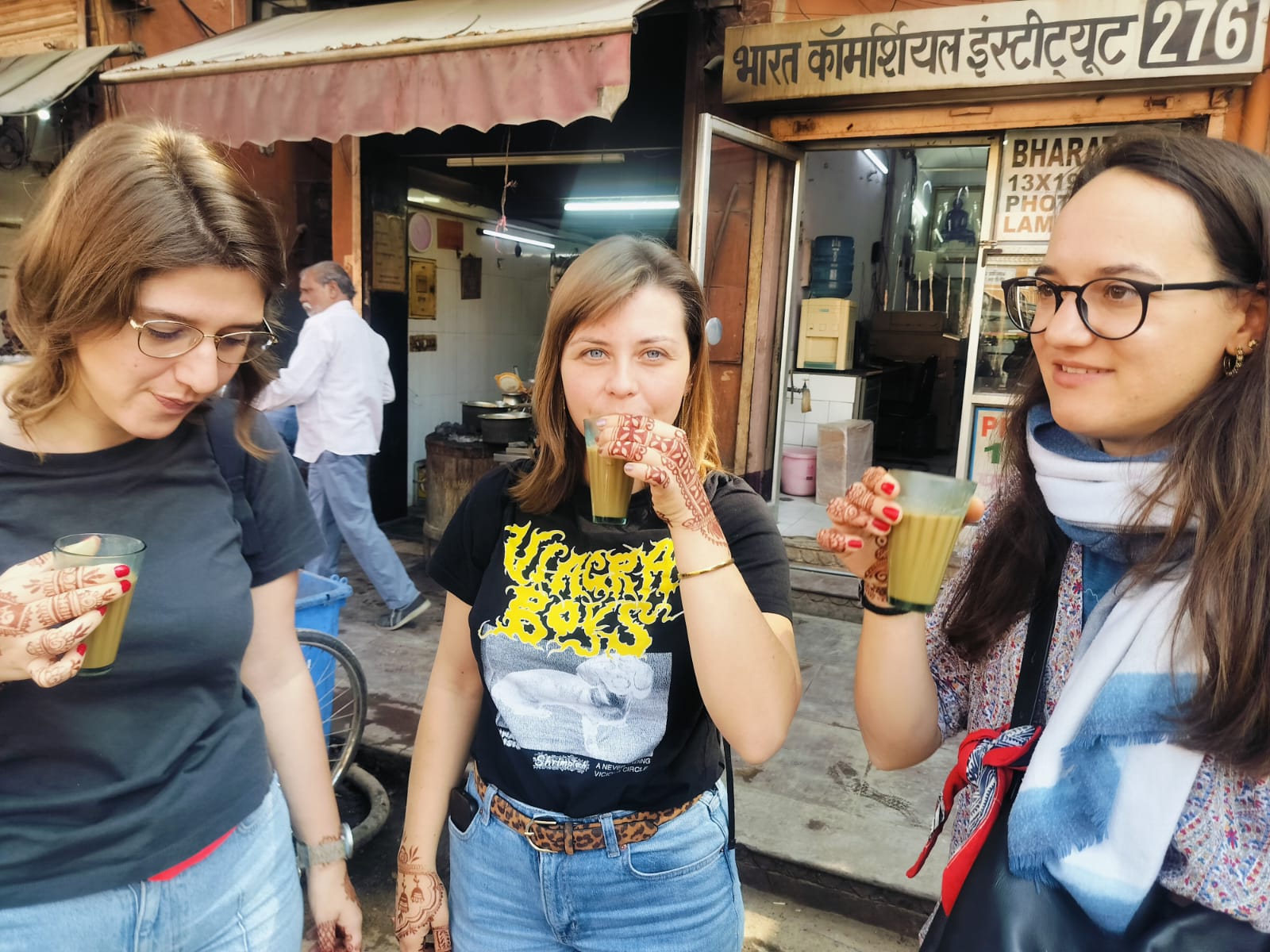
India is an incredible destination that welcomes millions of visitors each year. While it's generally safe for tourists, being well-prepared and informed will ensure you have a smooth, enjoyable, and worry-free journey. This comprehensive safety guide covers everything first-time visitors need to know.
Pre-Travel Preparation
Essential Documents and Paperwork
Required Documents:
- Valid passport (minimum 6 months validity)
- Tourist visa (apply online or at embassy)
- Travel insurance documents
- Vaccination certificates (if required)
- Emergency contact information
- Digital and physical copies of all documents
Important Tips:
- Store document copies separately from originals
- Email yourself copies for cloud access
- Keep emergency cash in multiple locations
- Register with your embassy if staying long-term
Health Preparations and Vaccinations
Recommended Vaccinations:
- Hepatitis A and B
- Typhoid
- Japanese Encephalitis (for rural areas)
- Routine vaccinations (MMR, DPT, flu)
- Meningitis (for certain regions)
Consult Your Doctor:
- Get vaccinated 4-6 weeks before travel
- Discuss antimalarial medication if visiting endemic areas
- Prepare a personal medical kit
- Get travel insurance with medical coverage
Health and Hygiene Safety
Food and Water Safety
Safe Drinking Practices:
- Drink only bottled water (check seal)
- Avoid ice cubes in drinks
- Use bottled water for brushing teeth
- Choose hot beverages like tea and coffee
- Avoid fresh juices from street vendors
Food Safety Guidelines:
- Eat at busy restaurants with high turnover
- Choose hot, freshly cooked food
- Avoid raw salads and unpeeled fruits
- Be cautious with dairy products
- Street food: start slowly to build tolerance
What to Avoid:
- Tap water and fountain drinks
- Raw or undercooked meat
- Seafood in landlocked areas
- Cut fruits from street vendors
- Buffets that have been sitting out
Common Health Issues and Prevention
Traveler's Diarrhea:
- Most common health issue for visitors
- Prevention: Safe food and water practices
- Treatment: Stay hydrated, consider ORS packets
- Seek medical help if severe or persistent
Heat-Related Illnesses:
- Stay hydrated (drink 3-4 liters daily)
- Wear light, breathable clothing
- Avoid midday sun (11 AM - 4 PM)
- Use high SPF sunscreen
- Take frequent breaks in air conditioning
Mosquito-Borne Diseases:
- Use insect repellent (DEET-based)
- Wear long sleeves and pants at dawn/dusk
- Sleep under mosquito nets if needed
- Consider antimalarial medication for endemic areas
Personal Safety and Security
Money and Valuables Safety
Cash Management:
- Carry moderate amounts of cash
- Use hotel safes for excess money
- Keep emergency cash hidden separately
- Use ATMs inside banks or hotels when possible
- Avoid displaying large amounts of money
Card and Payment Safety:
- Inform banks about travel plans
- Use ATMs at reputable banks
- Cover PIN when entering
- Keep cards in RFID-blocking wallets
- Have backup payment methods
Valuable Items:
- Use hotel safes for passports and jewelry
- Avoid wearing expensive jewelry
- Keep electronics secure and inconspicuous
- Use luggage locks
- Don't leave valuables in vehicles
Avoiding Common Scams
Tourist Targeting Scams:
1. Fake Travel Agents:
- Book through reputable agencies only
- Verify credentials and reviews
- Avoid deals that seem too good to be true
- Get everything in writing
2. Overcharging:
- Negotiate prices beforehand
- Use metered taxis or ride-sharing apps
- Know approximate costs for common items
- Shop around for better prices
3. Gem/Carpet Export Scams:
- Avoid get-rich-quick schemes
- Don't fall for "helping business partner" stories
- Be skeptical of unsolicited business opportunities
- Research thoroughly before any purchases
4. Charity/Donation Scams:
- Be wary of children asking for money
- Donate to established organizations instead
- Avoid giving money directly to beggars
- Don't buy expensive items for strangers
Transportation Safety
Road Safety:
- Traffic can be chaotic and unpredictable
- Always wear seatbelts when available
- Use reputable taxi services or ride-sharing apps
- Avoid overloaded vehicles
- Be extra cautious when crossing streets
Train Travel Safety:
- Book tickets through official channels
- Keep luggage secure and within sight
- Lock compartments when sleeping
- Be aware of your belongings at stations
- Verify train details before boarding
Air Travel:
- Use reputable airlines
- Arrive early for domestic flights
- Keep important items in carry-on
- Verify flight details regularly
Cultural Sensitivity and Etiquette
Dress Code Guidelines
General Rules:
- Dress modestly, especially in rural areas
- Cover shoulders and knees
- Remove shoes when entering temples and homes
- Carry a scarf for covering up when needed
Religious Sites:
- Specific dress codes may apply
- Cover head in certain temples
- No leather items in some Hindu temples
- Respect photography restrictions
Social Interactions
Respectful Behavior:
- Learn basic Hindi phrases like "Namaste"
- Respect personal space and local customs
- Ask permission before photographing people
- Be patient with different pace of life
- Tip appropriately (10-15% in restaurants)
Cultural Don'ts:
- Don't use left hand for eating or greeting
- Avoid pointing feet toward people or altars
- Don't touch someone's head
- Remove shoes before entering homes
- Respect religious practices and ceremonies
Women's Safety in India
Specific Precautions for Female Travelers
Accommodation:
- Choose reputable hotels or guesthouses
- Request rooms on higher floors
- Keep curtains closed
- Inform reception of your whereabouts
Transportation:
- Use women-only compartments in trains when available
- Sit near other women or families
- Avoid traveling alone at night
- Use reputable taxi services
Clothing and Behavior:
- Dress conservatively to blend in
- Avoid unwanted attention
- Trust your instincts about situations
- Learn assertive phrases in local language
Additional Tips:
- Carry a whistle or personal alarm
- Stay in well-lit, populated areas
- Avoid isolated places, especially after dark
- Connect with other female travelers when possible
Emergency Preparedness
Important Emergency Numbers
India Emergency Numbers:
- All emergencies: 112 (India's single emergency number)
- Police: 100
- Fire: 101
- Ambulance: 108
- Tourist helpline: 1800-11-1363 (toll-free, multilingual)
- Women's helpline: 1091 or 181
Your Embassy Contacts:
- Register with your embassy
- Keep embassy contact information handy
- Know the location of nearest consulate
- Understand what services they provide
Medical Emergencies
Immediate Actions:
- Stay calm and assess the situation
- Call for medical help (108)
- Contact your travel insurance provider
- Get to nearest reputable hospital
- Keep all medical receipts for insurance
Hospital Recommendations:
- Research good hospitals in areas you'll visit
- Private hospitals often have better facilities
- Keep your hotel's doctor contact information
- Consider medical evacuation insurance
Natural Disasters
Monsoon Safety:
- Avoid flooded areas
- Stay updated on weather warnings
- Keep emergency supplies ready
- Know evacuation routes
Earthquake Preparedness:
- Learn basic earthquake safety
- Identify safe spots in buildings
- Keep emergency kit accessible
- Follow local authority instructions
Regional Safety Considerations
Delhi NCR
- Use Delhi Metro for safe transport
- Avoid Old Delhi narrow lanes at night
- Be cautious in crowded markets
- Use reputable tour guides
Mumbai
- Monsoon flooding can be severe
- Local trains are extremely crowded
- Avoid slum tourism without proper guides
- Stay aware in crowded areas
Rajasthan
- Extreme heat in summer months
- Desert areas can be isolating
- Choose reputable camel safari operators
- Carry extra water in desert regions
Goa
- Beach safety: strong currents and undertows
- Be cautious with water sports operators
- Drug laws are strictly enforced
- Respect local communities
Northeast India
- Some areas require special permits
- Political situations can change rapidly
- Check current travel advisories
- Use registered tour operators
Solo Travel Safety Tips
Planning and Preparation
- Share detailed itinerary with family/friends
- Check in regularly with home
- Research destinations thoroughly
- Have backup plans for accommodation
Daily Safety Practices
- Trust your instincts about people and situations
- Stay in social accommodations when possible
- Join group tours for isolated destinations
- Keep family updated on your location
Communication
- Keep phone charged with backup battery
- Have local SIM card for connectivity
- Learn basic emergency phrases
- Keep embassy contacts accessible
Technology and Communication Safety
Phone and Internet Security
- Use VPN for public Wi-Fi
- Keep devices password protected
- Backup important data regularly
- Avoid sensitive transactions on public networks
Social Media Considerations
- Don't post real-time location updates
- Be cautious about sharing travel plans
- Adjust privacy settings before travel
- Think before sharing personal information
Shopping and Market Safety
Negotiation and Purchases
- Research fair prices beforehand
- Start negotiations at 30-40% of asking price
- Avoid high-pressure sales tactics
- Get receipts for significant purchases
Quality and Authenticity
- Shop at government-approved stores for authenticity
- Be skeptical of "special deals" for tourists
- Check return policies
- Verify export procedures for valuable items
Conclusion and Final Reminders
Key Takeaways
- Preparation is crucial - Research, plan, and prepare thoroughly
- Stay aware - Be conscious of your surroundings at all times
- Trust your instincts - If something feels wrong, remove yourself
- Respect local culture - Understanding customs prevents problems
- Stay connected - Keep family/friends informed of your whereabouts
Emergency Preparedness Checklist
- Travel insurance purchased and documents accessible
- Embassy registered and contacts saved
- Medical kit prepared with essential medications
- Multiple copies of important documents
- Emergency cash in multiple locations
- Local emergency numbers saved in phone
- Trusted local contacts established
Remember
India is an incredibly rewarding destination for travelers who come prepared. Millions of tourists visit safely every year and have transformative experiences. By following these safety guidelines, staying aware of your surroundings, and approaching your journey with respect and openness, you'll be well-equipped to have an amazing and safe adventure in incredible India.
The key to safe travel in India is preparation, awareness, and flexibility. Embrace the chaos, enjoy the incredible hospitality, and let India's magic work on you while staying smart and safe throughout your journey!
More Help for Your First Trip
Read our first-time India travel guide for visas, money and etiquette, and our guide to hiring a private car and driver, the safest and most comfortable way to travel between cities.
Travel with a local team behind you. Every Orbit Trails private tour includes a vetted driver, checked hotels and 24/7 support while you travel. Tell us your plans in our trip planner.
Related Topics
Ready to Experience India? 🇮🇳
Let our expert team create a personalized tour package just for you. From the Golden Triangle to hidden gems across India.