Best Time to Visit Rajasthan: Complete Season & Weather Guide
Planning a Rajasthan trip? Our comprehensive guide covers the best months to visit, weather patterns, festivals, and seasonal highlights to help you plan the perfect royal adventure.
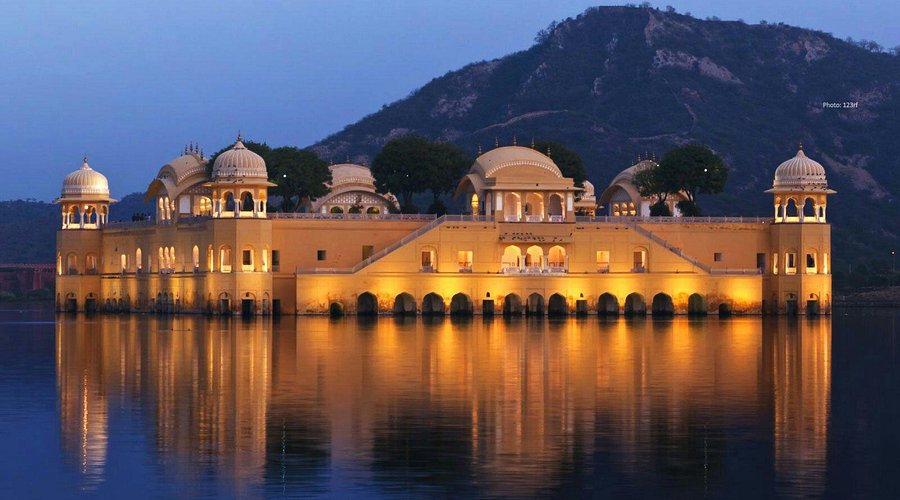
Rajasthan, the "Land of Kings," is a mesmerizing desert state that offers incredible experiences year-round. However, choosing the right time to visit can make or break your royal adventure. This comprehensive guide will help you understand Rajasthan's weather patterns, seasonal highlights, and the best times to visit different regions.
Rajasthan Weather Overview
Rajasthan experiences a desert climate with three distinct seasons: winter, summer, and monsoon. The weather varies significantly across the state, from the Thar Desert in the west to the Aravalli hills in the southeast.
Temperature Ranges by Season
- Winter (Oct-Mar): 5°C to 25°C (41°F to 77°F)
- Summer (Apr-Jun): 25°C to 45°C (77°F to 113°F)
- Monsoon (Jul-Sep): 22°C to 35°C (72°F to 95°F)
Best Time to Visit: October to March
Why Winter is Perfect for Rajasthan
Ideal Weather Conditions The winter months offer the most comfortable weather for exploring Rajasthan's magnificent palaces, forts, and desert landscapes. Days are pleasantly warm (20-25°C) while nights can be quite cool (5-15°C), especially in desert areas.
Perfect for Outdoor Activities
- Camel safaris in the Thar Desert
- Palace and fort exploration
- Desert camping under the stars
- Wildlife safaris in Ranthambore
- City walks and shopping
Month-by-Month Breakdown
October: The Transition Month
- Temperature: 18-30°C
- Highlights: Post-monsoon freshness, Dussehra celebrations
- Best for: Wildlife viewing, photography
- What to pack: Light woolens for evenings
November: Perfect Weather Begins
- Temperature: 12-26°C
- Highlights: Clear skies, pleasant days
- Best for: Desert safaris, fort visits
- What to pack: Light layers, comfortable walking shoes
December: Peak Tourist Season
- Temperature: 8-23°C
- Highlights: Christmas celebrations, winter festivals
- Best for: All outdoor activities, desert camping
- What to pack: Warm clothes for nights, light jackets
- More: see our guide to India in December
January: Coldest Month
- Temperature: 5-20°C
- Highlights: Makar Sankranti kite flying, the Jaipur Literature Festival
- Best for: Desert exploration, heritage walks
- What to pack: Warm clothing, especially for desert nights
February: Still Excellent Weather
- Temperature: 8-25°C
- Highlights: Desert Festival in Jaisalmer
- Best for: Cultural festivals, outdoor photography
- What to pack: Light woolens, sun protection
March: Last of the Good Weather
- Temperature: 15-30°C
- Highlights: Holi celebrations, spring flowers
- Best for: Palace visits, last chance for comfortable travel
- What to pack: Light cotton clothes, sunhat
Summer Season (April to June): Not Recommended
Extreme Heat Challenges
Summer in Rajasthan can be brutal, with temperatures soaring above 45°C (113°F) in desert areas. This makes outdoor exploration extremely uncomfortable and potentially dangerous.
April: Getting Hot
- Temperature: 22-38°C
- Challenges: Increasing heat, dust storms possible
- Limited activities: Early morning and late evening only
May: Peak Heat
- Temperature: 25-42°C
- Challenges: Scorching daytime temperatures
- Travel tip: Avoid outdoor activities between 10 AM - 6 PM
June: Hottest Month
- Temperature: 28-45°C
- Challenges: Extreme heat, pre-monsoon dust storms
- Best avoided: Outdoor sightseeing is nearly impossible
Summer Travel Tips (If You Must Visit)
- Plan indoor activities during peak heat
- Start sightseeing at sunrise (5:30 AM)
- Take frequent water breaks
- Wear light-colored, loose cotton clothing
- Book air-conditioned accommodations
- Consider only hill stations like Mount Abu
Monsoon Season (July to September): Mixed Experience
The Transformation Period
Monsoons bring relief from the scorching heat but also create new challenges for travelers. Rajasthan receives moderate rainfall, transforming the landscape into a lush, green paradise.
July: Monsoon Arrival
- Temperature: 25-35°C
- Rainfall: Moderate to heavy
- Highlights: Green landscapes, cooler temperatures
- Challenges: Some roads may be affected
August: Peak Monsoon
- Temperature: 24-33°C
- Rainfall: Highest of the year
- Highlights: Lush scenery, photography opportunities
- Challenges: Some outdoor activities limited
September: Monsoon Retreat
- Temperature: 22-32°C
- Rainfall: Decreasing
- Highlights: Fresh, clean air; great for photography
- Benefits: Fewer crowds, better hotel rates
Monsoon Pros and Cons
Advantages:
- Dramatically reduced temperatures
- Lush, green landscapes
- Excellent photography opportunities
- Fewer tourists, better prices
- Romantic ambiance
Disadvantages:
- Some roads and attractions may be inaccessible
- High humidity levels
- Potential for flash floods in certain areas
- Limited desert activities
Regional Weather Variations
Desert Region (Jaisalmer, Bikaner, Jodhpur)
- Extreme temperature variations
- Best time: November to February
- Avoid: April to June (extreme heat)
Aravalli Region (Udaipur, Mount Abu, Kumbhalgarh)
- Milder temperatures due to elevation
- Best time: October to March
- Monsoon friendly: July to September acceptable
Eastern Rajasthan (Jaipur, Bharatpur, Ranthambore)
- Moderate climate
- Best time: October to March
- Wildlife viewing: November to April
Semi-arid Region (Ajmer, Pushkar)
- Balanced climate
- Best time: October to March
- Festival season: November to March
Festival Calendar: Plan Around Celebrations
Winter Festival Highlights
Pushkar Camel Fair (October/November)
- One of India's largest livestock fairs
- Cultural performances, camel races
- Book accommodations well in advance
Desert Festival, Jaisalmer (February)
- Folk music and dance performances
- Camel polo, turban tying competitions
- Perfect weather for outdoor celebrations
Gangaur (March/April)
- Women's festival honouring the goddess Gauri
- Colourful processions through Jaipur's old city
- Boat processions on Lake Pichola in Udaipur
Nagaur Fair (January/February)
- Cattle trading fair
- Folk performances
- Less crowded than Pushkar
Other Major Festivals
- Teej (July/August): Monsoon festival celebrating love
- Diwali (October/November): Festival of lights
- Holi (March): Festival of colors
Accommodation & Pricing by Season
Peak Season (December to February)
- Prices: Highest of the year, especially over Christmas and New Year
- Availability: Book 3-6 months ahead for the best heritage hotels
- Benefits: Best weather, all activities available
Shoulder Season (October-November, March)
- Prices: Lower than peak, except around Diwali and the Pushkar Camel Fair
- Availability: Good, but popular hotels still fill early
- Benefits: Good weather, fewer crowds
Off-Season (April to September)
- Prices: Lowest rates available
- Availability: Plenty of options
- Drawbacks: Weather challenges
Packing Guide by Season
For a complete checklist, see our India packing list.
Winter (October to March)
Essential Items:
- Warm jacket or sweater for evenings
- Light cotton clothes for day
- Comfortable walking shoes
- Sunhat and sunglasses
- Scarf for temple visits
- Light blanket for desert camping
Summer (April to June) - If You Must
Survival Kit:
- Ultra-light, breathable fabrics
- Wide-brimmed hat
- High SPF sunscreen
- Electrolyte supplements
- Cooling towel
- Insulated water bottle
Monsoon (July to September)
Rain Gear:
- Waterproof jacket
- Umbrella
- Quick-dry clothing
- Waterproof bag for electronics
- Sturdy walking shoes with grip
- Extra socks and undergarments
Activities by Season
Best Winter Activities
- Desert Safaris: Jaisalmer, Bikaner
- Palace Tours: Udaipur, Jaipur
- Wildlife Safaris: Ranthambore, Sariska
- Cultural Tours: All cities
- Photography Tours: Entire state
- Desert Camping: Thar Desert
- Heritage Walks: All major cities
Limited Summer Activities
- Early Morning Temple Visits
- Museum Tours (air-conditioned)
- Hill Station Escapes (Mount Abu)
- Indoor Cultural Shows
- Shopping in Covered Markets
Monsoon Specials
- Palace Photography (dramatic skies)
- Lake Tours (water levels high)
- Monsoon Palace Visits
- Cooking Classes (indoor activities)
- Spa and Wellness Retreats
Health and Safety Considerations
Winter Precautions
- Carry warm clothes for desert nights
- Stay hydrated even in cool weather
- Use moisturizer for dry air
- Protect against dust storms
Summer Survival Tips
- Avoid midday sun exposure
- Drink water frequently
- Recognize heat exhaustion symptoms
- Seek shade and AC regularly
- Carry oral rehydration salts
Monsoon Health Tips
- Protect against mosquito-borne diseases
- Avoid street food during heavy rains
- Carry basic medications
- Watch for waterlogged areas
Transportation Considerations
Winter Travel
- Roads: All routes accessible
- Flights: Regular schedules
- Trains: On-time performance
- Local transport: All options available
Summer Challenges
- Day travel: Extremely uncomfortable
- Car AC: Essential for road trips
- Flight delays: Possible due to dust storms
- Local sightseeing: Limited hours
Monsoon Travel
- Road conditions: Some routes affected
- Train delays: Possible during heavy rains
- Flight disruptions: Occasional
- Local transport: Generally available
Budget Planning by Season
Cost Variations
Hotel rates follow the weather: highest from December to February, lower in October, November and March, and lowest from April to September, when many hotels offer significant discounts.
Money-Saving Tips
- Travel in shoulder season for the best balance of weather and price
- Book early for peak season, when the best hotels sell out
- Consider the monsoon for the lowest prices and green landscapes
- Avoid festival dates such as Diwali and Christmas if budget matters
Conclusion
For Most Travelers: October to March offers the ideal combination of pleasant weather, clear skies, and comfortable conditions for exploring Rajasthan's magnificent heritage.
For Budget Travelers: July to September provides significant savings with the added bonus of lush, green landscapes, though with some weather-related limitations.
For Adventure Seekers: November to February is perfect for desert camping, wildlife safaris, and outdoor adventures.
Avoid if Possible: April to June unless you're specifically interested in experiencing extreme desert conditions or getting the lowest prices.
Remember, Rajasthan's magic transcends seasons, but choosing the right time will ensure you can fully enjoy everything this incredible state has to offer.
Plan Your Trip
Once you know when to go, choose where: see the 12 best places to visit in Rajasthan and our Rajasthan itineraries for 7, 10 and 14 days. Visiting Ranthambore? Read our tiger safari guide for the best months for sightings.
Tell us your dates in our trip planner, and a specialist in Jaipur will suggest the best route for that season, with a quote within 24 hours.
Related Topics
Ready to Experience India? 🇮🇳
Let our expert team create a personalized tour package just for you. From the Golden Triangle to hidden gems across India.
Continue Reading
Discover more insights about traveling in India
India Packing List: What to Wear and What to Pack for Every Season
A practical India packing list: what to wear in India as a woman or a man, what to pack for winter, summer and the monsoon, the plugs, documents and medicines you need, and what to leave at home.
India in December: Weather, Where to Go and What's On
Is December a good time to visit India? Our guide to the weather region by region, the best places to go, festivals and events, Christmas and New Year travel, fog, and how early to book.
Hiring a Private Car and Driver in India: Costs, Tips and What to Expect
How hiring a car and driver in India really works: what is and isn't included in the price, which car to choose, where your driver sleeps, tipping, safety and how to avoid surprises.