Ranthambore Tiger Safari Guide: Zones, Booking and the Best Time to Go
Everything you need to plan a tiger safari in Ranthambore: how the zones work, gypsy or canter, how far ahead to book, the best months for sightings, and how to fit it into a Golden Triangle trip.
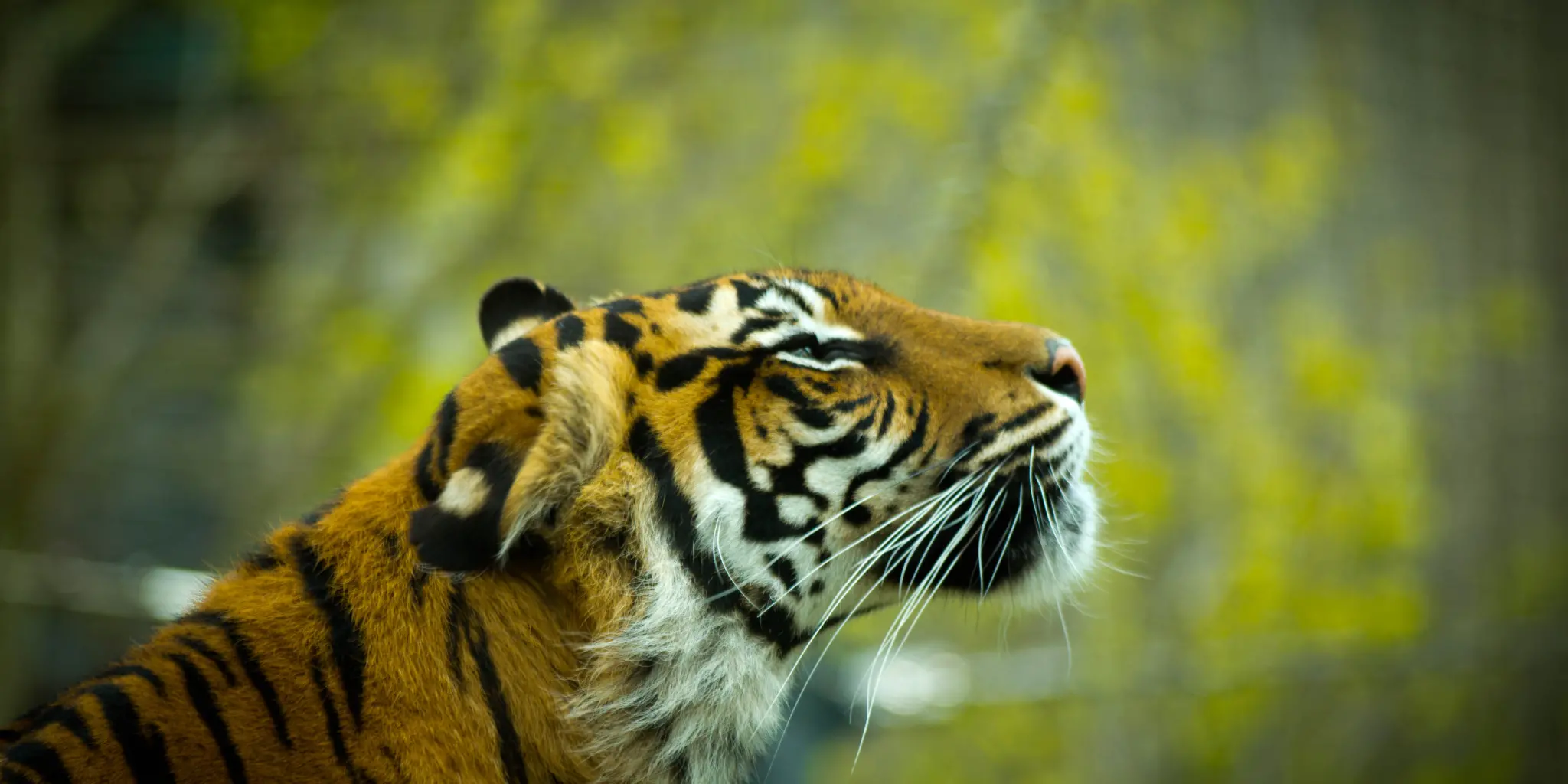
Ranthambore is the most rewarding place in North India to see a wild tiger, and it sits only a few hours from Jaipur and Agra. That makes it the easiest safari to add to a Golden Triangle or Rajasthan trip. It also makes it busy, and the difference between a great safari and a disappointing one is mostly in the planning.
This guide covers how the park works, how to book, when to go, and the small decisions that improve your chances of a sighting.
Where Ranthambore is and how to get there
Ranthambore National Park lies next to the town of Sawai Madhopur in eastern Rajasthan. The park was once the hunting ground of the Maharajas of Jaipur, and a 10th-century fort still stands on a hill inside it, along with lakes, ruined pavilions and ancient banyan trees. It is one of the few tiger reserves where you can photograph a tiger in front of crumbling stone walls.
Typical travel times by road:
| From | Approximate time |
|---|---|
| Jaipur | 3.5 to 4 hours |
| Agra (via Fatehpur Sikri) | about 6 hours with sightseeing stops |
| Delhi | 6 to 7 hours |
Sawai Madhopur also has a railway station on the main Delhi to Mumbai line, so trains are an option from Delhi, Jaipur and Agra.
How the safari zones work
The park is divided into ten safari zones. Each safari vehicle is assigned one zone and must stay on that zone's tracks for the whole drive, so the zone you get matters.
- Zones 1 to 5 cover the core of the park, including the lakes near the fort. They are the most popular and usually the first to sell out.
- Zones 6 to 10 were added later and cover more of the surrounding forest. Tigers live and hunt here too, and sightings are regular, so do not write them off if the core zones are full.
Tigers move between zones, and sightings depend far more on luck, season and your guide's experience than on any single zone. Two or three safaris in different zones almost always beat one safari in the "best" zone.
Gypsy or canter?
There are two kinds of safari vehicle:
- Gypsy: an open 4x4 jeep that seats six guests plus the driver and a naturalist guide. Quieter, more manoeuvrable and better for photography. If you can, book a whole gypsy for your group so you control the pace.
- Canter: an open truck seating around 20 people. Cheaper per seat and fine for a first look at the park, but noisier, slower to turn, and some zones are open to gypsies only.
For a once-in-a-lifetime trip, a private gypsy is worth the extra cost.
How to book (and why to book early)
Safari seats are sold by the Rajasthan Forest Department through its official online booking portal, and each zone has a fixed number of vehicles per drive. Bookings open roughly three months ahead, and gypsy seats in the core zones for peak dates (Christmas, New Year, Diwali and most winter weekends) can sell out within minutes of release.
What this means in practice:
- Fix your Ranthambore dates first, then build the rest of the itinerary around them.
- Book as soon as your dates are confirmed. You will need passport details for every guest; foreign nationals pay a higher fee than Indian citizens.
- Use only the official portal or a registered operator. Many websites look official but resell seats at a markup, or sell "guaranteed core zone" seats that cannot be guaranteed.
If the online quota is sold out, a limited number of seats are sometimes released at the booking office in Sawai Madhopur, but this is unpredictable and not something to plan a trip around.
Safari timings
There are two drives a day, one early in the morning and one in the late afternoon, each lasting roughly three to three and a half hours. Exact start times move through the year with sunrise and sunset, so check the times printed on your permit.
- Morning drives start around dawn. Light is soft, the air is cool, and animals are active after the night.
- Afternoon drives end at sunset. Tigers often head for water in the late afternoon heat.
If you stay two nights, you can do three drives: afternoon on arrival day, then morning and afternoon the next day. This is the plan we recommend for most guests.
When to go
Ranthambore is open from October to June. The core zones close for the monsoon, roughly from July to September, while some outer zones may stay open depending on the rain; check before planning a monsoon visit.
| Months | What to expect |
|---|---|
| October to November | Green after the rains, pleasant days, fewer crowds than mid-winter |
| December to February | Cool, comfortable and the busiest season. Mornings can be cold in an open jeep |
| March to April | Warming up, thinning vegetation and good sightings as animals visit water |
| May to June | Very hot, but often the best sightings of the year as tigers stay near the lakes |
Our advice: for comfort, go between October and March. If seeing a tiger matters more than anything else and you can handle 40°C heat, consider April or May.
Tips for a better safari
- Stay at least two nights. Three drives give you a far better chance than one.
- Dress in muted colours (khaki, olive, brown) and in layers. Winter mornings in an open jeep are cold enough for a fleece, a hat and gloves.
- Bring a scarf or mask for the dust, sunscreen, and a refillable water bottle.
- Keep your voice down and never ask the driver to chase or crowd an animal.
- Use binoculars. Leopards, sloth bears, crocodiles, sambar deer and around 300 bird species live in the park, and a safari is rewarding even without a tiger.
- Do not feed animals or leave the vehicle. Rules are strictly enforced and guides can lose their licences.
Will you definitely see a tiger?
No one can promise that, and you should be wary of anyone who does. Ranthambore has a healthy tiger population and many guests see one, especially on multiple drives, but they are wild animals in a large forest. Go for the whole experience: the fort, the lakes, the birdlife and the thrill of tracking alarm calls through the jungle. A tiger is the reward on top.
Adding Ranthambore to your trip
Ranthambore fits naturally between Agra and Jaipur on a Golden Triangle route. A typical plan:
- Day 1: Agra in the morning, then drive to Ranthambore via Fatehpur Sikri.
- Day 2: Morning and afternoon safaris.
- Day 3: An optional sunrise safari, then drive to Jaipur.
Our Golden Triangle and Roaring Ranthambore tour is built on exactly this plan, and Ranthambore can be added to any of our India tours. New to India? Read our first-time India travel guide for visas, health and etiquette.
Want us to handle the safari bookings? Tell us your dates in our trip planner and we'll secure your permits as part of a private, tailor-made itinerary.
Related Topics
Ready to Experience India? 🇮🇳
Let our expert team create a personalized tour package just for you. From the Golden Triangle to hidden gems across India.
Continue Reading
Discover more insights about traveling in India

12 Best Places to Visit in Jodhpur, the Blue City
The best places to visit in Jodhpur: Mehrangarh Fort, Jaswant Thada, the blue lanes of the old city, the clock tower market, Umaid Bhawan Palace and a Bishnoi village, with a two-day plan.

Jaisalmer Travel Guide: 10 Best Places to Visit and a Night in the Desert
Everything you need for Jaisalmer: the living Golden Fort, carved havelis, Gadisar Lake, the Sam and Khuri sand dunes, a desert camp night, the best time to go and how long to stay.

12 Best Things to Do in Varanasi, India's Holiest City
The best things to do in Varanasi: the evening Ganga Aarti, a sunrise boat ride on the Ganges, the ghats, Kashi Vishwanath Temple, Sarnath and the old city lanes, with etiquette tips and a two-day plan.