India's Vibrant Festivals: Cultural Experiences & Celebration Guide
Experience India's colorful festivals from Holi to Diwali, Pushkar Fair to Jaipur Literature Festival. Learn when, where, and how to participate in authentic cultural celebrations.
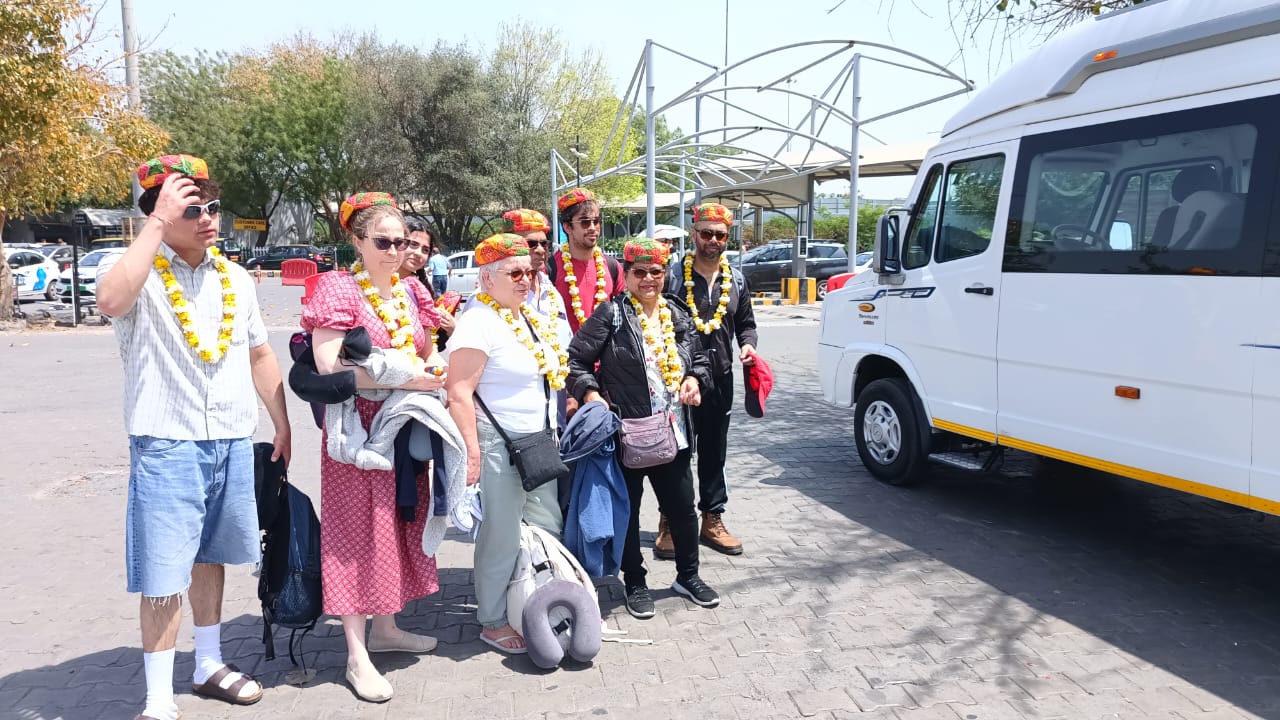
India is a land of festivals, where celebrations happen throughout the year, each more colorful and vibrant than the last. From religious ceremonies to harvest festivals, from royal traditions to modern cultural events, India's festival calendar offers travelers incredible opportunities to experience authentic culture, meet locals, and create unforgettable memories.
Understanding India's Festival Culture
The Significance of Festivals
Indian festivals serve multiple purposes:
- Religious observance: Honoring deities and spiritual traditions
- Cultural preservation: Maintaining ancient customs and stories
- Community bonding: Bringing people together across social barriers
- Seasonal marking: Celebrating changes in weather and harvest cycles
- Joy and celebration: Adding color and happiness to daily life
Types of Festivals
- Religious festivals: Hindu, Muslim, Sikh, Buddhist, Christian, Jain
- Harvest festivals: Celebrating agricultural abundance
- Seasonal festivals: Marking weather changes
- Regional festivals: State and city-specific celebrations
- Cultural festivals: Literature, arts, music, dance
Major National Festivals
1. Diwali - Festival of Lights (October/November)
Duration: 5 days Significance: Victory of light over darkness, good over evil Celebration: Oil lamps, fireworks, sweets, gift-giving
What to Expect:
- Houses decorated with oil lamps (diyas) and rangoli patterns
- Fireworks displays (can be overwhelming for some)
- Exchange of sweets and gifts
- Special prayers and temple visits
- Shopping festivals and sales
Best Places to Experience:
- Jaipur: The old city's bazaars covered in lights
- Varanasi: Spiritual significance along the Ganges
- Delhi: Grand celebrations across the capital
- Udaipur: Lakeside celebrations with reflection lights
Travel Tips:
- Book accommodations well in advance
- Expect crowds and noise
- Participate respectfully in local celebrations
- Try traditional sweets like barfi and laddu
2. Holi - Festival of Colors (March)
Duration: 2 days Significance: Welcome to spring, victory of good over evil Celebration: Colored powders, water fights, music, dance
What to Experience:
- Throwing colored powders (gulal) and water
- Traditional foods like gujiya and thandai
- Music, dancing, and community celebrations
- Holika bonfire on the eve
Best Locations:
- Mathura and Vrindavan: Birthplace of Krishna, most authentic
- Pushkar, Rajasthan: Desert backdrop with international crowd
- Jaipur: Holi in the old city, and organised celebrations at many hotels
- Rishikesh: Spiritual Holi by the Ganges
Preparation Tips:
- Wear old, white clothes
- Use herbal colors for skin safety
- Protect hair with oil or hat
- Keep camera in waterproof bag
- Stay hydrated with traditional thandai
3. Dussehra/Durga Puja (September/October)
Duration: 9-10 days Significance: Victory of goddess Durga over demon, good over evil Celebration: Elaborate pandals, cultural programs, processions
Regional Variations:
- West Bengal: Durga Puja with artistic pandals
- North India: Ramlila performances and Ravana effigies
- South India: Navaratri with dance celebrations
- Rajasthan: Royal processions and cultural events
Cultural Experiences:
- Visit elaborate temporary temples (pandals)
- Watch traditional dance performances
- Enjoy street food and cultural programs
- Witness the burning of Ravana effigies
- Participate in community celebrations
Regional Festival Highlights
Rajasthan Festivals
Desert Festival, Jaisalmer (February)
- Folk music and dance performances
- Camel races and competitions
- Traditional Rajasthani culture showcase
- Perfect weather for desert camping
Pushkar Camel Fair (October/November)
- One of the world's largest camel and livestock fairs
- Cultural competitions and folk performances
- Hot air balloon rides and camel safaris
- Spiritual rituals at Pushkar Lake
Jaipur Literature Festival (January)
- One of the world's largest free literary festivals
- Writers, thinkers and performers from around the world
- Held every January in Jaipur
Gangaur and Teej, Jaipur (March/April and July/August)
- Women's festivals honouring the goddess Parvati
- Royal processions through the old city of Jaipur
- Women in their finest clothes, henna and jewellery
Maharashtra Festivals
Ganesh Chaturthi, Mumbai (August/September)
- 11-day celebration of Lord Ganesha
- Elaborate pandals and artistic idols
- Cultural programs and community feasts
- Grand immersion processions
West Bengal Festivals
Durga Puja, Kolkata (September/October)
- Most artistic and elaborate celebrations
- Pandal hopping and cultural programs
- Traditional Bengali cuisine
- Artistic competitions and cultural events
Kali Puja (October/November)
- Unique to Bengal
- Night-long celebrations
- Artistic Kali idols and decorations
- Traditional sweets and cultural programs
Kerala Festivals
Onam (August/September)
- Harvest festival with flower carpets (pookalam)
- Traditional boat races (snake boat racing)
- Sadya feast with 30+ dishes
- Classical dance performances
Thrissur Pooram (April/May)
- Spectacular temple festival
- Elephant processions with decorations
- Traditional percussion ensembles
- Fireworks and cultural competitions
Punjab Festivals
Baisakhi (April)
- Harvest festival and Sikh New Year
- Traditional bhangra dancing
- Golden Temple celebrations
- Agricultural festivities
Goa Festivals
Carnival (February/March)
- Portuguese colonial influence
- Colorful parades and street parties
- Music, dance, and elaborate floats
- Beach celebrations and cultural programs
Religious Festivals by Community
Hindu Festivals
Navratri (September/October)
- 9-night celebration of goddess Durga
- Traditional garba and dandiya dancing
- Different forms of goddess worship
- Fasting and spiritual observances
Karva Chauth (October/November)
- Married women fast for husbands' longevity
- Elaborate mehendi (henna) ceremonies
- Traditional dress and jewelry
- Community celebrations
Makar Sankranti (January)
- Kite flying festival
- Harvest celebration
- Traditional sweets made with jaggery
- Holy dips in sacred rivers
Muslim Festivals
Eid ul-Fitr (Dates vary by lunar calendar)
- End of Ramadan fasting month
- Community prayers and feasts
- Exchange of gifts and sweets
- Charity giving (zakat)
Eid ul-Adha (Dates vary)
- Festival of sacrifice
- Community prayers and feasts
- Traditional biryani and meat dishes
- Pilgrimage season connection
Sikh Festivals
Guru Nanak Jayanti (November)
- Birthday of Sikh founder
- Processions and community kitchens (langar)
- Golden Temple celebrations
- Spiritual discourses and prayers
Buddhist Festivals
Buddha Purnima (April/May)
- Buddha's birthday celebration
- Special observances at Buddhist sites
- Meditation and spiritual practices
- Cultural programs and teachings
Seasonal Festivals
Spring Festivals (March-May)
- Holi: Colors and spring celebration
- Baisakhi: Harvest and new beginnings
- Rama Navami: Birth of Lord Rama
- Good Friday/Easter: Christian celebrations
Monsoon Festivals (June-September)
- Teej: Women's festival welcoming monsoon
- Raksha Bandhan: Brother-sister bond celebration
- Krishna Janmashtami: Krishna's birthday
- Ganesh Chaturthi: Elephant-headed god celebration
Winter Festivals (October-February)
- Dussehra/Durga Puja: Victory celebrations
- Karva Chauth: Marital celebration
- Diwali: Festival of lights
- Christmas: Christian celebrations across India
How to Participate in Festivals
Preparation Tips
Before the Festival:
- Research the significance and customs
- Learn appropriate greetings and phrases
- Plan accommodations well in advance
- Pack appropriate clothing
- Understand photography etiquette
What to Wear:
- Traditional Indian clothing when appropriate
- Comfortable shoes for walking and standing
- Light colors for most festivals
- Old clothes for Holi (colors may stain)
- Modest clothing for religious ceremonies
Respectful Participation
Cultural Sensitivity:
- Ask permission before taking photos
- Follow local customs and traditions
- Participate humbly and respectfully
- Don't intrude on private family celebrations
- Learn basic festival greetings
Gift-Giving Etiquette:
- Sweets are always appreciated
- Flowers for religious ceremonies
- Small gifts for children during festivals
- Reciprocate if invited to homes
- Respect dietary restrictions
Festival Foods and Culinary Experiences
Diwali Specialties
- Barfi: Milk-based sweets
- Laddu: Round sweet balls
- Samosa: Savory fried pastries
- Namak pare: Salty snacks
- Dry fruits and nuts
Holi Treats
- Gujiya: Sweet dumplings
- Thandai: Spiced milk drink
- Dahi bhalla: Yogurt-soaked lentil dumplings
- Puran poli: Sweet flatbread
- Bhang lassi: Traditional intoxicating drink (be cautious)
Regional Specialties
- Bengali sweets: Rasgulla, sandesh during Durga Puja
- Maharashtrian modak: Steamed dumplings for Ganesh Chaturthi
- Punjabi food: Langar during Sikh festivals
- Kerala sadya: Feast during Onam
Photography and Documentation
Best Photography Opportunities
- Golden hour shots: Early morning and evening light
- Candid moments: People celebrating naturally
- Architectural details: Decorated temples and pandals
- Traditional costumes: Colorful clothing and jewelry
- Food photography: Traditional sweets and meals
Photography Etiquette
- Always ask permission for close-up portraits
- Respect "no photography" signs at temples
- Don't use flash during religious ceremonies
- Be mindful of sacred spaces and rituals
- Offer to share photos with locals
Planning Your Festival Experience
Best Festivals for First-Time Visitors
- Diwali: Most widely celebrated, easy to experience
- Holi: Interactive and fun for tourists
- Pushkar Camel Fair: Tourist-friendly with English support
- Durga Puja in Kolkata: Artistic and culturally rich
Festival Calendar Planning
- October-March: Peak festival season
- Check lunar calendar: Many dates change annually
- Regional variations: Same festivals celebrated differently
- Weather considerations: Monsoon festivals may be affected
Accommodation Tips
- Book early: Festivals mean higher demand
- Stay central: Close to celebration areas
- Noise levels: Festivals can be loud, especially at night
- Price variations: Expect higher rates during festivals
Cultural Workshops and Learning Opportunities
Hands-On Experiences
- Cooking classes: Learn to make festival foods
- Art workshops: Rangoli, mehendi, pottery
- Dance lessons: Garba, bharatanatyam, bhangra
- Music sessions: Classical and folk music
- Craft workshops: Traditional arts and crafts
Cultural Centers and Organizations
- India Habitat Centre, Delhi: Cultural programs
- Bharatiya Vidya Bhavan: Educational and cultural activities
- Local cultural societies: Community-based learning
- Heritage hotels: Often organize cultural experiences
Safety and Practical Considerations
Festival Safety Tips
- Crowd management: Stay aware in large gatherings
- Valuables: Keep important items secure
- Health precautions: Stay hydrated and eat carefully
- Noise sensitivity: Carry earplugs for fireworks
- Emergency contacts: Keep local emergency numbers handy
Health Considerations
- Food safety: Be cautious with street festival foods
- Allergies: Inform hosts about dietary restrictions
- Alcohol: Be aware of local laws and customs
- Medications: Carry necessary medicines
- Air quality: Some festivals involve smoke and fireworks
Budget Planning for Festival Experiences
Cost Considerations
- Accommodation: Higher rates during festivals
- Transportation: Increased demand and prices
- Food: Festival foods and special meals
- Shopping: Traditional clothes and gifts
- Activities: Cultural programs and workshops
Money-Saving Tips
- Plan ahead: Early bookings save money
- Local celebrations: Often free or low-cost
- Public transport: Cheaper than private taxis
- Street food: Authentic and budget-friendly
- Community events: Many celebrations are open to all
Conclusion
India's festivals offer an unparalleled window into the country's rich cultural heritage, spiritual depth, and community spirit. Each celebration is a masterpiece of color, sound, taste, and emotion that tells stories spanning thousands of years.
Whether you're throwing colors during Holi, lighting diyas for Diwali, watching the artistic pandals of Durga Puja, or joining the camel festivities in Pushkar, these experiences will provide insights into Indian culture that no museum or monument can offer.
The key to enjoying Indian festivals is to approach them with respect, openness, and a willingness to learn. Don't just observe—participate, ask questions, make connections, and allow yourself to be swept up in the infectious joy that characterizes Indian celebrations.
Remember that festivals are about community, sharing, and celebration of life itself. By joining these celebrations respectfully and enthusiastically, you become part of India's continuing cultural story and take home memories that will last a lifetime.
Plan your trip around these incredible celebrations, and discover why India truly is a land where every day is a festival and every festival is a celebration of the beautiful diversity of human culture!
Plan a Festival Trip
Festival dates follow the lunar calendar and change every year, and hotels fill up early. Our guide to the best time to visit Rajasthan lists the main festivals month by month.
Want to time your trip for Diwali, Holi or the Pushkar Camel Fair? Tell us in our trip planner, and we'll confirm this year's dates and build your itinerary around them.
Related Topics
Ready to Experience India? 🇮🇳
Let our expert team create a personalized tour package just for you. From the Golden Triangle to hidden gems across India.